

“Being responsible is a core value; it’s been at the heart of Passenger since day one. We’re on a journey, focusing on what we can and should do, trying to leave a smaller footprint.”
Jane Blacklock, Head of ESG
Our Impact & Traceability Journey
We’re on a journey to reduce our impact. That means a bunch of things, but importantly it means partnering with the right factories to make outdoor gear that lasts, whilst advocating for worker rights and the environment.
There are a few ways we’re measuring our impact, like increasing the transparency of our supply chain, creating Digital Product Passports (DPPs), and setting decarbonisation targets that are in line with the Science Based Targets Initiative guidelines.
Mapping Our Supply Chain
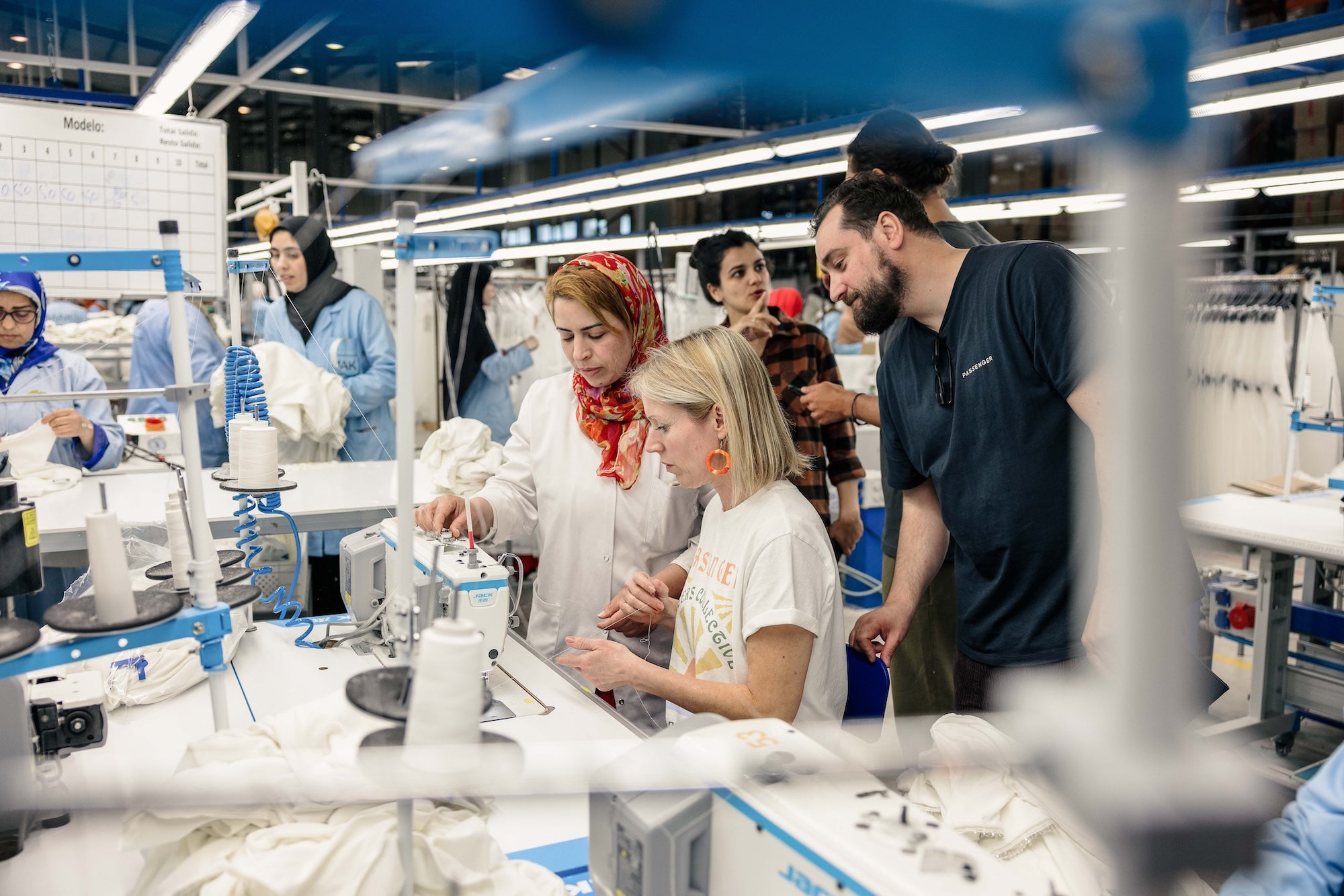
Understanding our environmental impact starts with knowing exactly where our products come from. We’ve been mapping our supply chain for social and environmental, as well as commercial benefits, for a number of years. It’s a process, but we’re committed to seeking transparency and engagement from all of our manufacturing partners, including fabric, trims, and yarns.
We've partnered with industry experts Fairly Made to ensure our commitment to responsible sourcing and manufacturing is verifiable and actionable:
- Achieving deep-level mapping and visibility across our supply chain.
- Calculating Product Environmental Footprints for our products.
This detailed data also helps us calculate our overall Company Carbon Footprint, as our products form the bulk of our Scope 3 (indirect) Greenhouse Gas emissions.
Increasing Transparency
The Fairly Made product data shows us a few things:
- The overall footprint of a product
- How far materials and finished goods travel to get to us
- What the deeper supply chain looks like
- Impact hot spots, such as energy and water use, that we can focus on to reduce our impact and decarbonise our supply chain.
We’ve completed this process for our 2023 and 2024 intake so far. You’ll be able to see this data in action on certain product pages, under a new tab called ‘Impact’ that details the product’s footprint and supply chain info.
From Autumn 2026, you’ll be able to scan a QR code on most of our new products’ care labels, and the code will take you to the product’s unique Digital Product Passport. We’re working towards making these available on all products by Autumn 2027.
If you’re keen to dig into the details, head to Fairly Made.
What Is A Digital Product Passport?
A Digital Product Passport is a way to access and understand the life of a product. It contains the product’s environmental footprint and supply chain data, composition and care guidance. Meaning if you came to buy a new Passenger jacket this winter, you’ll be able to see the main steps of the product’s manufacture, the Co2 equivalent footprint for the product, how much water was used, how far it has travelled to get to Passenger and whether there were any responsibly sourced materials used.
The Passport can also be used to access information to care for or repair your product, contact us if there is a problem, or what to do when you no longer want or need it.
A lot of this information is already available on the online product pages and the care label, but the DPP will make sure it’s always available when you want or need it, even if we no longer sell that product.

Reducing Our Environmental Impact
Supply chain transparency and DPPs are an important part of improving traceability and calculating our footprint, but we’re also using this information for carbon footprint reduction. We’re setting decarbonisation targets that are fully aligned with the Science Based Targets Initiative (SBTi), and the global commitment to limit global warming by 1.5 degrees above pre-industrial levels.
To get a carbon footprint baseline to measure our targets against, we're calculating our carbon equivalent impact (tCO2e and kgCO2e - tonnes and kilograms of CO2 equivalent) for our emissions. We're then using a common 'Intensity Ratio' so we can show our progress, whether the business grows or shrinks in future years.
Under the SBTi, 'Scopes' are a way to categorise a company's greenhouse gas emissions:
Scope 1: Direct emissions from company vehicles, or fuel burned in boilers for heating.
Scope 2: Indirect emissions, such as energy generation for electricity.
Scope 3: All other indirect emissions, like manufacturing, shipping, customer use of products, business travel, and our waste. This is typically the largest part of a company's footprint.
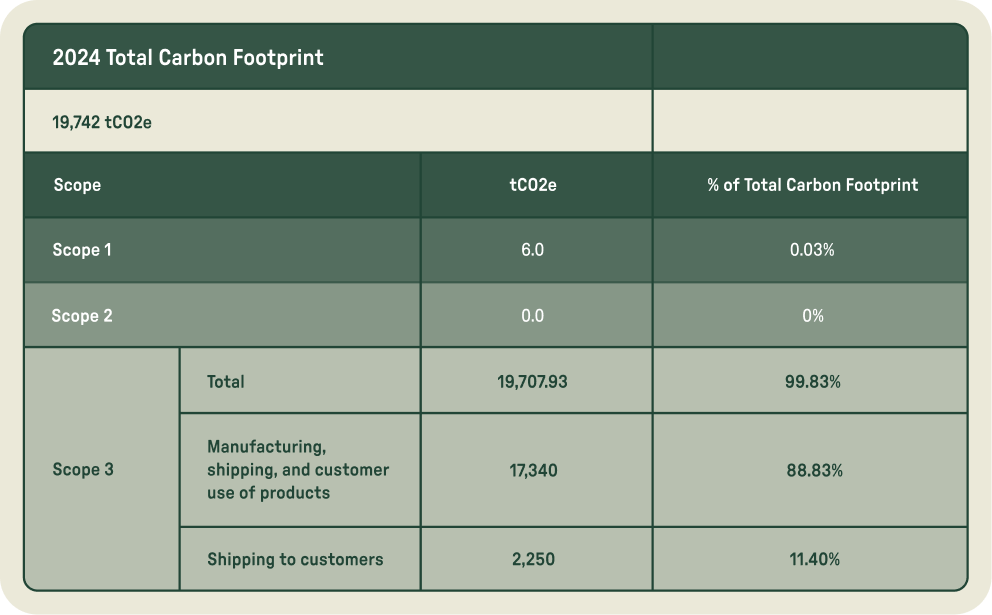
Our most accurate and up to date company carbon footprint covers our activity in 2024, so this will be our baseline year:

Our Targets In Line With SBTi
Scope 1
Passenger's 2024 footprint was 6.0 tCO2e. For 2050, we're targeting 0.60 tCO2e, a 90% reduction.
Scope 2
In 2024, our footprint was zero because we only buy renewable energy, and we're committed to keeping it that way.
Scope 3
In 2024, our Intensity Ratio was 11.54 kgC02e per item of intake. For 2050, we're targeting 0.35 kgC02e, a 97% reduction.

What's Next?
We’re working on publishing footprint data for all of our products to give you more transparency over what you’re buying. This info is on around a quarter of our product pages right now, and will increase as we do more research. This info will also inform our DPPs, which will be available to view via QR codes on some of our product care labels from Autumn 2026.
We’re also using the information we’ve gained through our partnership with Fairly Made to plan our transition to a low-carbon future, and we’ll be sharing this Transition Plan and some near-term targets.
Expect to hear more on what we’re doing to progress our responsible sourcing, carbon footprint reduction, and how we're working with epic manufacturing partners on reducing our impact, together.

Plant & Protect
“For every order, we plant a tree”. Roots in the ground, absorbing carbon from the air. But for us it’s so much more than that.
Our Materials
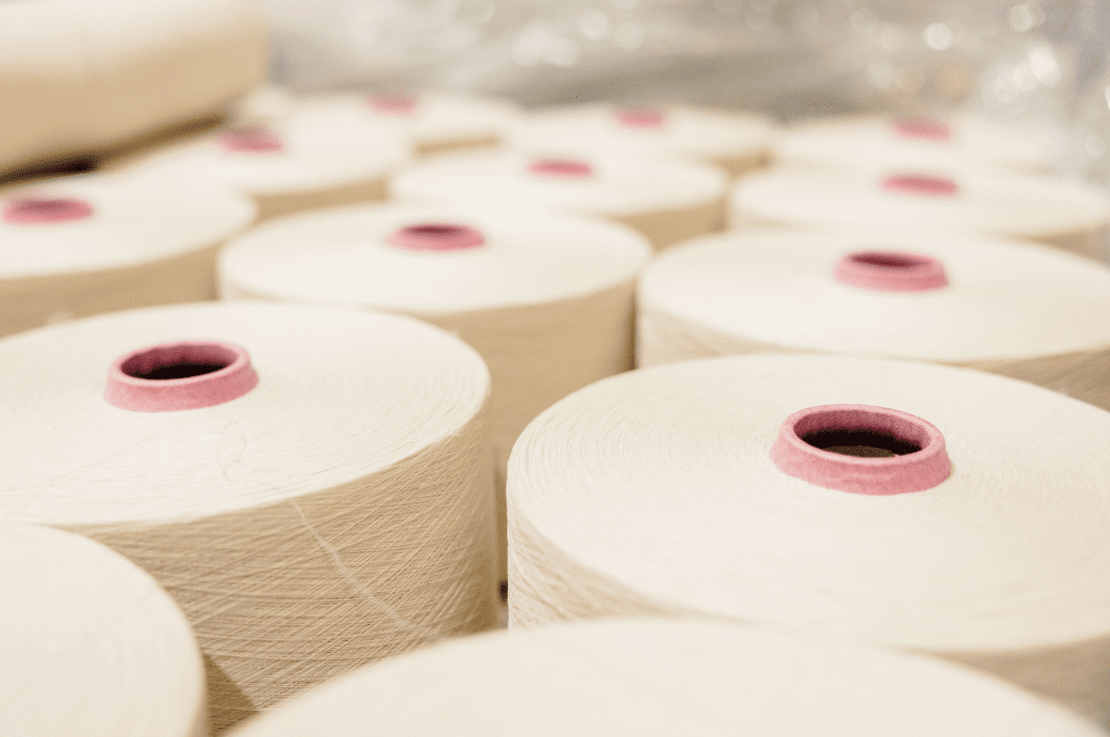
We think a lot about the materials we use. We’re on a mission to offer our community more responsible choices.

Re:Roam
We’ve partnered with circular fashion company Reskinned to give damaged gear a second chance.
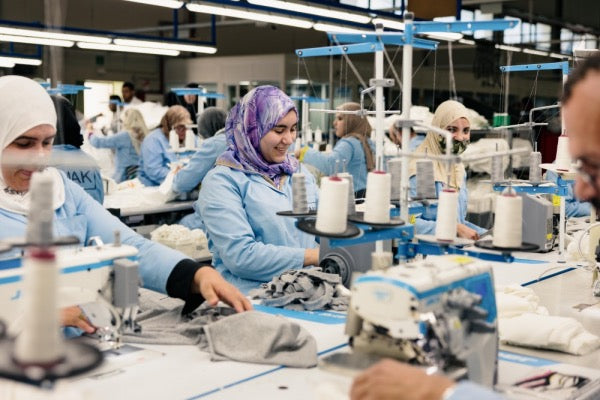
Our Suppliers
We seek makers who share our values and strive for quality products and long-term partnerships.